
The Role of Luck in Casino Games
Luck is often the most talked-about factor in casino games, and for good reason. Many games, such as slot machines and roulette, primarily depend on chance. Players have minimal control over the outcomes, with each spin or roll being independent of previous results. This randomness is precisely what attracts many individuals to these games; the thrill of potentially hitting a big jackpot keeps players returning. In addition, those looking for insights may find valuable resources like nrl betting tips that enhance their understanding of the game. The unpredictability of luck adds an exhilarating layer to the experience, making it appealing even for casual gamblers who may not seek a deep strategic engagement.
For those who engage in games based solely on luck, the psychological aspect plays a significant role. The excitement of watching the reels spin or the roulette wheel whirl can create a sense of anticipation that is unmatched. Gamblers may find themselves caught up in the moment, believing they can influence luck through rituals or strategies—such as the belief in lucky charms or specific betting patterns. While these methods lack scientific backing, they highlight how deeply entrenched the concept of luck is within gambling culture, affecting how players perceive their chances and experiences.
Moreover, luck can influence how players perceive their winnings and losses. A series of wins can lead a player to feel as though their luck might continue, prompting them to take riskier bets. Conversely, a streak of losses can create a negative mindset, leading to frustration and potentially reckless decision-making. Thus, while luck is a significant factor, it also interacts with players’ emotional states, showcasing how it can shape the overall gambling experience. The rollercoaster of emotions tied to luck can turn a simple game into an engaging adventure, highlighting its pivotal role in the casino landscape.
The Importance of Skill in Certain Games
While luck dominates many casino games, skill holds a vital role in others, particularly in games like poker, blackjack, and certain variations of craps. These games require players to make strategic decisions based on their knowledge of probabilities, psychology, and game mechanics. For instance, a skilled poker player will utilize tactics such as bluffing, reading opponents, and understanding betting patterns, significantly enhancing their chances of winning compared to a less experienced player. This strategic depth transforms poker into a game where skill can often outweigh luck.
In blackjack, understanding the game’s strategy can lead to more favorable outcomes. Players who know when to hit, stand, double down, or split their cards based on the dealer’s showing card have a clear advantage. This strategic approach elevates blackjack from a simple card game to a complex challenge where skillful play can lead to consistent success over time. It illustrates how certain games are not merely about fortune but are deeply rooted in cognitive skill and decision-making under pressure, allowing skilled players to outperform their luck-dependent counterparts.
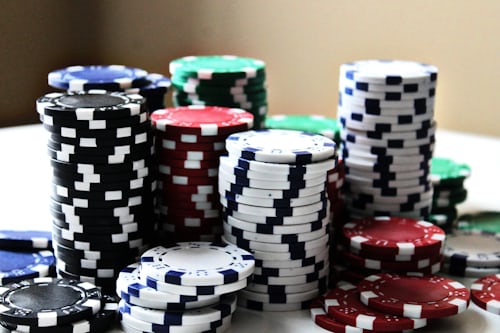
The interplay of skill and luck is particularly evident in tournaments, where skilled players compete against one another. In these scenarios, players with superior knowledge and tactics generally fare better than those who rely solely on luck. Over time, skilled players consistently outperform their luck-dependent counterparts, showcasing the significant role skill can play. This distinction can influence the overall appeal of different games within the casino environment, attracting a diverse range of players seeking both luck and skill-based experiences.
Psychological Factors in Gambling
The psychological factors in gambling intertwine closely with both luck and skill. Many players enter casinos seeking not just monetary gain but also the thrill of the game itself. The emotional highs of winning and the lows of losing can lead to a rollercoaster of feelings, influencing how players engage with games of chance. Casinos capitalize on this by creating an immersive atmosphere designed to heighten excitement and keep players engaged longer. This environment can amplify the effects of both luck and skill, making the experience more impactful.
Understanding the psychology of gambling can help players make more informed choices. For instance, recognizing personal triggers that lead to excessive betting can be crucial in maintaining control. The concept of “gambler’s fallacy”—the belief that past events can influence future outcomes—can lead players to make irrational decisions based on previous spins or deals. Acknowledging such cognitive biases is vital for responsible gambling, enabling players to differentiate between luck and skill and make choices that align with their true capabilities.
Moreover, groups of players often engage in social gambling, where the collective atmosphere can significantly influence individual experiences. The camaraderie and shared excitement can amplify the thrill of luck-based games, while in skill-based games, players might work together to enhance strategies and improve their game. Understanding these psychological aspects can enhance a player’s approach, whether they are chasing the exhilarating highs of luck or honing their skills for a more calculated play. This social dynamic adds another layer to the gambling experience, influencing how players perceive their interactions with luck and skill.
The Balance Between Luck and Skill
The balance between luck and skill is nuanced and often varies among players. Some individuals may prefer games where luck dominates, enjoying the carefree nature of placing a bet and waiting for the outcome. Others are drawn to skill-based games that challenge their intellect and strategic thinking, offering a more engaging and interactive experience. This personal preference is shaped by each player’s mindset and goals within the gaming environment, leading to differing experiences and outcomes.

The ability to navigate this balance can shape a player’s overall gambling strategy. For example, a player might choose to engage primarily in skill-based games while occasionally playing luck-based games for enjoyment. Understanding one’s strengths and preferences can lead to a more fulfilling gambling experience, allowing individuals to appreciate both aspects of gaming. This balance is not merely a matter of personal choice but can also influence a player’s long-term sustainability within the casino environment, affecting their overall enjoyment and success.
Ultimately, the coexistence of luck and skill in casino play enriches the overall experience. Players can find satisfaction in both the randomness of luck and the fulfillment that comes from honing skills in strategic games. This duality serves to attract a diverse range of gamblers, each seeking something unique in their casino adventures. As players navigate through the gaming floor, their personal approaches to luck and skill create a rich tapestry of experiences that define the gambling landscape, making each visit an adventure in itself.
Understanding Casino Dynamics
Ultimately, the dynamics of luck and skill shape the entire casino experience. Each game offers its unique blend of these two elements, appealing to different types of players. For instance, while a vibrant array of slot machines may attract those seeking instant gratification from luck, table games like poker and blackjack draw in players looking for deeper engagement based on skill. This diversity is essential for casinos to attract a wide variety of patrons, ensuring that all types of players find something that resonates with their preferences.
Casinos are mindful of how luck and skill impact their business models. They often create promotional events that cater to both skill-based and luck-based games, ensuring they maintain a broad customer base. Regular tournaments or skill challenges can enhance player engagement, while luck-driven machines continue to generate excitement on the gaming floor. Understanding these dynamics allows casinos to foster an environment that supports both casual players and serious gamblers, balancing the thrill of chance with the satisfaction of skillful play.
In conclusion, whether it’s the thrill of unpredictability brought by luck or the strategic maneuvers required by skill, both aspects are integral to the casino experience. As players navigate their options, understanding how luck and skill interact can lead to more fulfilling experiences, thereby enhancing their enjoyment and potentially their success at the tables. This knowledge is particularly useful for players seeking to optimize their gambling strategies while enjoying the essential pleasures that casinos have to offer. By recognizing the roles of luck and skill, players can enhance their overall experience, making their time in the casino not just about winning but about the journey itself.