
The allure of casino architecture
The architecture of casinos plays a critical role in attracting players and enticing them to stay longer. From grand entrances to luxurious interiors, casinos are designed to create a sense of excitement and anticipation. The lavish décor often incorporates bright colors, intricate designs, and captivating lighting, which together foster an atmosphere that feels both thrilling and indulgent. This stimulating environment underscores the core idea of casinos as places where visitors can enjoy the best online casino australia while experiencing pleasure and risk that converge, compelling them to engage with games and entertainment.
Moreover, the layout of a casino is meticulously planned to guide player behavior. The strategic positioning of slot machines, table games, and restaurants encourages exploration and prolongs the time spent within the casino. By creating an open and inviting space, casinos can minimize the likelihood of players quickly exiting after a few games. This careful orchestration of space and experience reinforces the psychologically enticing nature of gambling, as it subtly beckons players to try their luck just one more time.
Furthermore, sound design within a casino establishes an energetic atmosphere that captivates and retains players. The dinging of slot machines, upbeat music, and general buzz of excitement contribute collectively to the immersive experience. These auditory cues trigger positive emotions, reinforcing the idea that winning is just around the corner. Studies in environmental psychology indicate that such acoustic elements can amplify feelings of euphoria, encouraging players to stay longer and gamble more, seamlessly intertwining emotional response with financial behavior.
The psychology of colors and lighting
Color psychology is a pivotal element in casino design, influencing player mood and behavior profoundly. Specific colors are chosen deliberately to evoke emotions that enhance the gaming experience. For instance, red is often associated with excitement and energy, making it a popular choice for game areas, while calming blues and greens might be used in relaxation zones, encouraging players to feel comfortable. The deliberate use of color not only captivates attention but also plays a psychological role in stimulating decision-making and risk-taking behaviors.
Lighting design is equally important, as it creates an enchanting atmosphere that can manipulate perceptions of time and space. Casinos often employ soft, warm lighting near gaming areas to create a welcoming environment, while spotlighting specific machines or tables to draw players in. This selective focus can lead to an altered sense of reality, making time seem irrelevant as players become engrossed in the experience. The interplay of color and light can enhance the thrill of gambling, reinforcing players’ emotional investment in their choices.
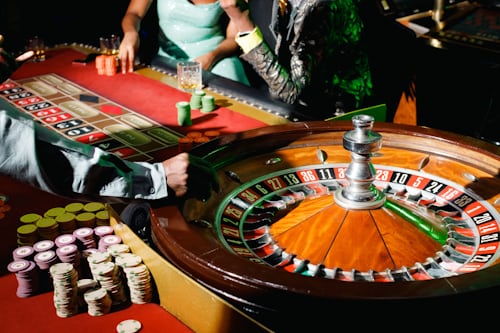
Additionally, the illumination of win indicators, such as flashing lights and celebratory sounds, serves to heighten excitement. These elements reinforce the positive feedback loop associated with gambling, where players are continuously encouraged to engage through both visual and sensory stimuli. By understanding how colors and lighting influence emotions, casinos can construct an environment that maximizes player engagement and sustains their interest over extended periods, ultimately fostering a deeper connection between players and the gaming experience.
Emotions and decision-making at play
The emotional experience of gambling is a complex interplay between risk, reward, and psychological factors. Casinos are designed to leverage emotions effectively, creating atmospheres that elicit excitement and tension, which are crucial for engagement. The thrill of winning, contrasted with the fear of losing, leads to heightened emotions that can cloud judgment and influence decision-making. Players often find themselves caught in this emotional whirlwind, which can lead to impulsive choices and an increased risk of continuing to gamble even in the face of losses.
Behavioral economics provides insight into how these emotions affect player decisions. When engrossed in a game, players may exhibit what’s known as “loss aversion,” where the pain of losing is felt more intensely than the joy of winning. Casinos understand this and often structure games and promotions in ways that play to these psychological tendencies. For instance, offering bonuses or free spins can create a sense of winning without the actual financial reward, further entrenching players in a cycle of hopeful anticipation.
In addition, the concept of ‘near misses’ is a powerful psychological tool used in gaming. When players nearly win—a spin away from a jackpot, for example—they experience a rush of adrenaline that can be mistaken for actual success. These near misses create a narrative of promise that encourages players to continue gambling in pursuit of that elusive win. This understanding of player psychology allows casinos to craft games and experiences that resonate deeply with emotional drivers, leading to prolonged engagement and increased player spending.
The role of social interactions in casinos
Social interactions are integral to the casino experience, enhancing the enjoyment and emotional investment of players. Casinos foster an environment that encourages socialization, whether at table games, during tournaments, or at bar areas. Engaging with friends or meeting new people enhances the thrill of gambling, as players share in the highs and lows of the experience together. This social aspect can alleviate the isolation often associated with gambling, creating a sense of community among players that significantly contributes to their overall enjoyment and willingness to return.

Furthermore, the psychological concept of social proof comes into play within the casino environment. When players witness others winning or having fun, they are more likely to engage in similar behaviors. This phenomenon can create a domino effect, where the presence of excited players encourages others to join in, perpetuating an atmosphere of collective excitement. Casinos often capitalize on this by organizing group activities or events that enhance social interaction, making the gaming experience more enjoyable and memorable.
Additionally, the presence of dealers and staff who interact with players can influence their experience significantly. Friendly, engaging staff can create a welcoming atmosphere that enhances player satisfaction. This interaction also serves to humanize the gaming experience, making players feel valued and understood, which can lead to repeat visits. By fostering social connections within the casino, operators can create a dynamic environment that appeals to a broader audience, thus increasing player retention and overall revenue.
Understanding player behavior through analytics
In the modern landscape of casinos, understanding player behavior goes beyond mere observation; it leverages sophisticated analytics to capture patterns and preferences. Operators collect data on player habits, such as game preferences and spending patterns, to tailor experiences that resonate with individual guests. This data-driven approach enables casinos to offer personalized bonuses and targeted promotions, enhancing player loyalty and engagement. By analyzing player behavior, casinos can pinpoint what keeps players returning and, conversely, what might drive them away.
Predictive analytics also plays a crucial role in shaping the future of casino operations. By assessing historical data, casinos can anticipate trends and adapt strategies accordingly. For instance, if data shows that particular games become less popular during certain times of the year, casinos can adjust their marketing or gaming options to better align with player interests. This adaptability is essential in maintaining relevance in a competitive marketplace and ensuring that players have an enjoyable experience that meets their evolving preferences.
Moreover, customer feedback mechanisms, such as surveys and online reviews, contribute to a deeper understanding of player experiences. Casinos that actively solicit and incorporate feedback demonstrate a commitment to player satisfaction, fostering a sense of community and loyalty among patrons. By valuing player opinions and adjusting operations based on their insights, casinos can engage in a continuous cycle of improvement that enhances the overall gaming environment. This data-driven approach ultimately leads to a stronger connection between players and the casino, driving long-term success.